 Tiếng Việt
When coloring plastics, manufacturers often choose between color masterbatch and pigment powder. Both can create the required color, but they differ in handling, equipment requirements, dispersion control, and production convenience. The question “what is the difference between color masterbatch and pigment powder?” should therefore be answered from a process perspective, not only by looking at their physical form.
Quick Comparison: Color Masterbatch vs. Pigment Powder
| Criterion | Color Masterbatch | Pigment Powder |
|---|---|---|
| Supply form | Concentrated color pellets in a carrier resin | Loose pigment powder |
| Feeding | Convenient for weighing, blending, and pellet dosing systems | Requires control of powder handling, dust, and accurate dosing |
| Initial dispersion | Pigment has already been dispersed in a carrier material | Depends strongly on the user’s mixing and dispersion equipment |
| Formulation flexibility | Easy to use by approved color code | Highly flexible when the factory can formulate and disperse pigment itself |
| Handling environment | Generally produces less color dust | May generate pigment dust during weighing and loading |
What Does Color Masterbatch Provide?
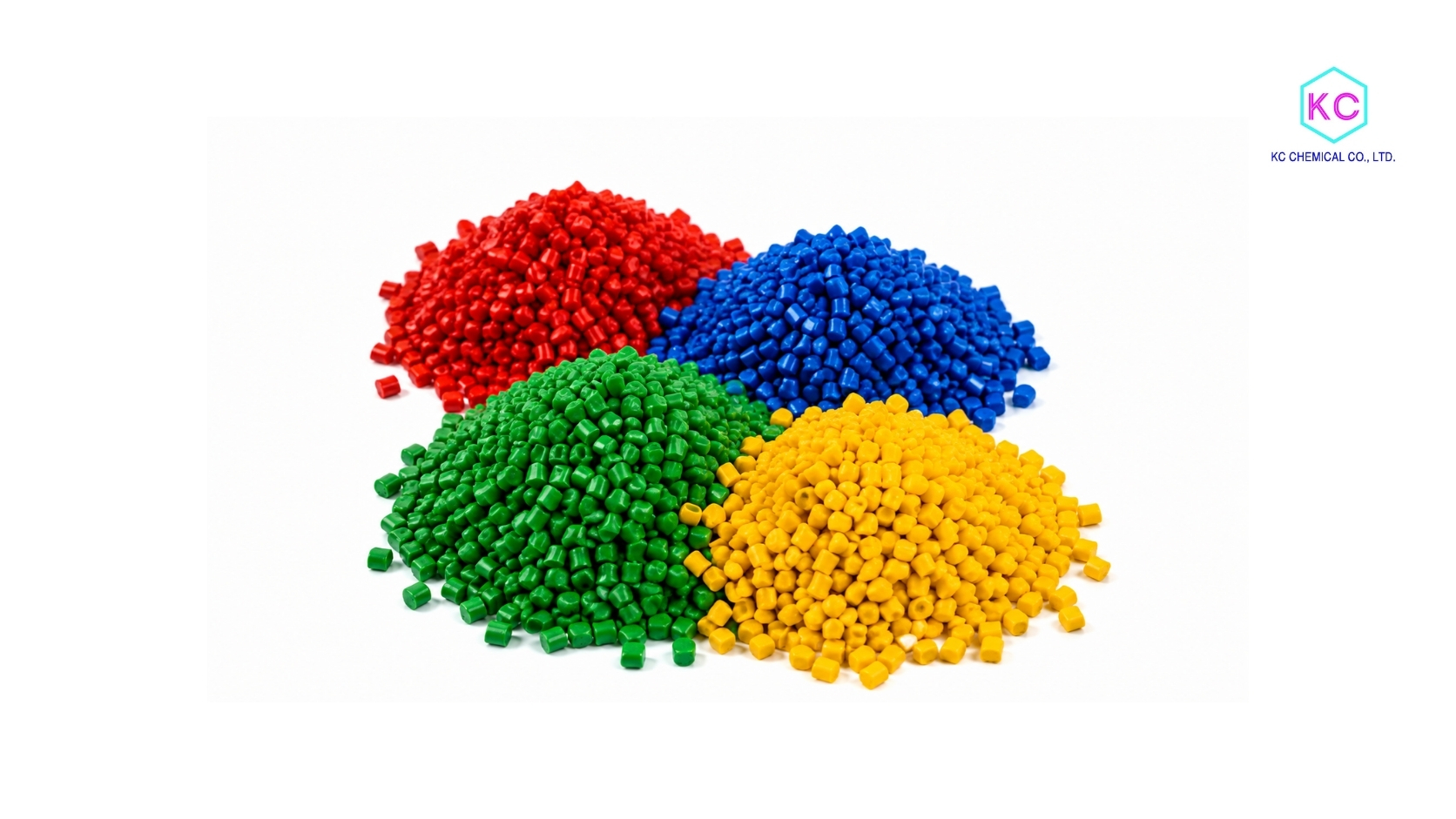
Color masterbatch contains pigment pre-dispersed in a carrier resin at a relatively high concentration. The manufacturer uses it by blending the masterbatch with the base resin. Its main practical advantages are convenient dosing and reduced need for pigment handling at the production line.
For factories producing many product codes but without dedicated pigment dispersion equipment, masterbatch can make operation and standardization easier. The color is developed in advance, allowing the factory to focus on dosage control and processing conditions.
When Is Pigment Powder Suitable?
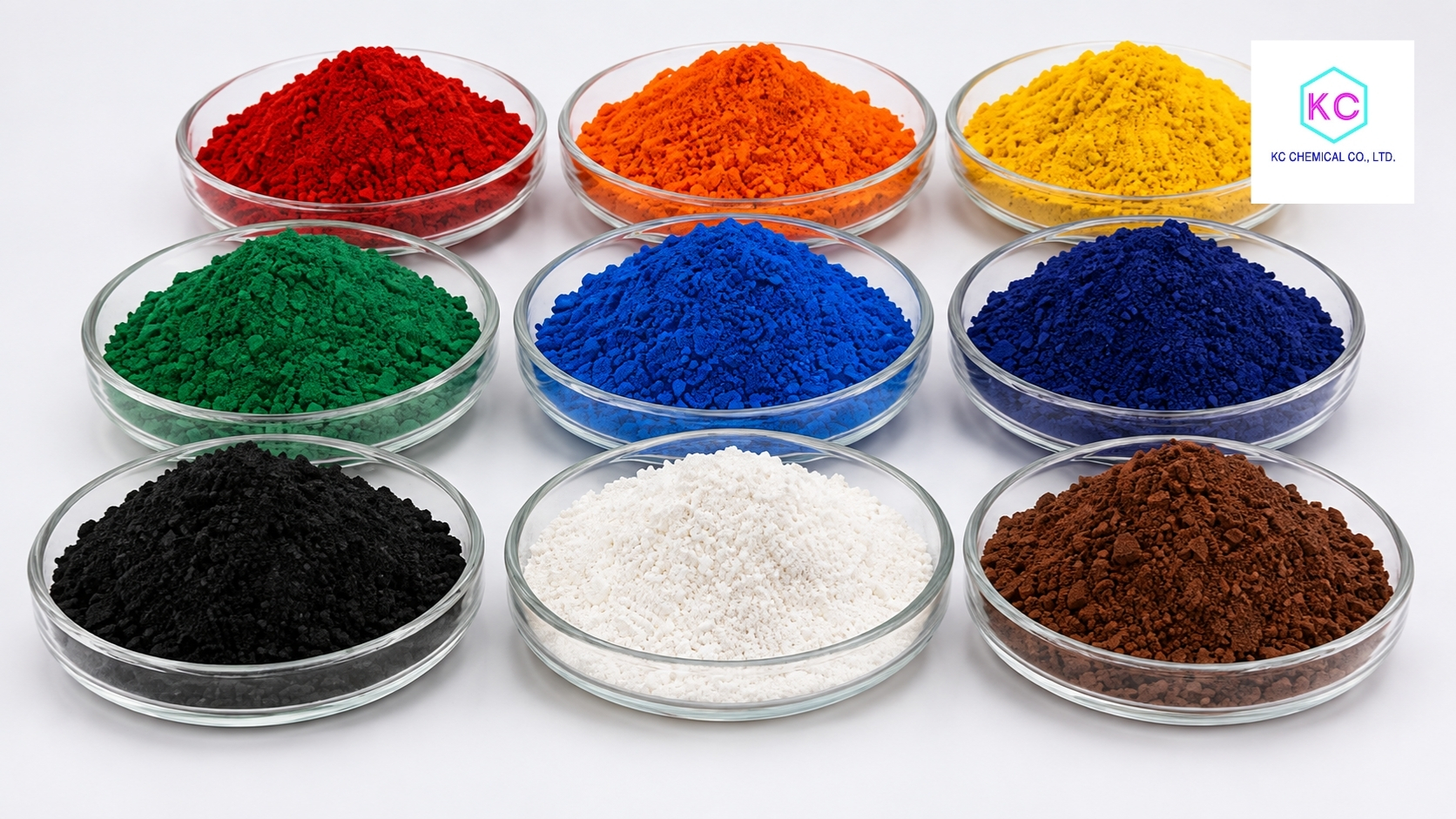
Pigment powder is the direct colorant raw material. It may be suitable for manufacturers equipped with compounding, high-shear mixing, or milling systems and the ability to manage dust, dispersion, and small-dose accuracy. Pigment powder is also widely used in coatings, inks, and other systems that are not based on diluting a masterbatch into a plastic resin.
In certain specialized plastic compounds, a compounder may prefer to work directly with pigment powder to optimize the formulation from the beginning. This requires suitable equipment and technical expertise.
The Main Difference Is Dispersion
Color masterbatch is not simply pigment pressed into pellet form. One of its most important values is the controlled wetting and dispersion of pigment in the carrier resin. When this step is done well, the pigment has a better starting point for uniform distribution when the masterbatch is diluted into the production resin.
With pigment powder, more of the dispersion responsibility shifts to the user. If the powder is only mixed mechanically without enough shear or proper processing conditions, agglomerates may remain and create color specks or weak color development.
Is Masterbatch Always Better Than Pigment Powder?
No. Each option suits a different production model. Masterbatch is convenient but requires the correct carrier and formulation. Pigment powder offers greater formulation control but needs appropriate handling and dispersion technology. Large compounders may prefer direct pigment formulation, while finished-goods injection molding or film factories often prefer masterbatch for operational simplicity.
How Should Cost Be Compared?
Price per kilogram alone can be misleading. Masterbatch may cost more per kilogram because it includes carrier resin, dispersion processing, and formulation work. Pigment powder may appear less expensive but can add costs for equipment, labor, material loss, cleaning, and dust management.
A more practical comparison is color cost per kilogram of acceptable finished product, while also considering scrap rate, color-change time, consistency, and labor.
When Should Masterbatch Be Preferred?
-
- Injection molding, film, or extrusion lines that need simple color feeding.
- Factories running many color codes and changing colors frequently.
- Processes where reducing pigment dust is desirable.
- Projects that require color development from an approved sample.
- Production systems controlled through a standardized dosing ratio.
When Can Pigment Powder Be More Suitable?
- Factories with their own compounding or pigment dispersion lines.
- Formulations that require direct control of individual pigments.
- Coatings, inks, or other material systems that use pigment directly.
- Large-volume production supported by an experienced formulation team.
What Should Be Considered When Switching From Pigment Powder to Masterbatch?
The conversion is not a simple 1:1 weight replacement. The user needs to consider active pigment concentration, color strength, and the carrier resin. Testing should also be done on the actual resin, wall thickness, and equipment. A color that looks correct on a thick test plaque may not match on a thin product or textured surface.
The Most Important Question: What Does the Finished Product Need?
Before choosing between masterbatch and pigment powder, define the actual target: required color accuracy, production volume, available equipment, dust-control needs, color-change frequency, and technical requirements of the finished product. These practical questions are usually more important than deciding which material is “better” in general.
Conclusion
Color masterbatch and pigment powder differ mainly in how pigment is supplied and introduced into the material system. Masterbatch is well suited to many plastic production lines that need convenience and repeatability, while pigment powder is appropriate when the manufacturer has the capability to formulate and disperse pigment directly or works with coatings, inks, or compounds. The correct choice depends on process, resin, color requirements, and total production cost.
- How To Choose Color Masterbatch For PP, PE, ABS And PET | KC Chemical
- Color Masterbatch Vs Pigment Powder: Key Differences And How To Choose | KC Chemical
- What Is Color Dispersion In Plastics? Causes, Effects And Improvements | KC Chemical
- How To Control Color Between Plastic Production Batches | KC Chemical
- How To Match Plastic Color To A Sample For Consistent Production | KC Chemical